
Principle 1: Understand Motivation
Motivation comes in two flavors: “Yum” (Seek it) and “Yuck” (Avoid it)
Why, oh why does my horse keep acting this way? It can seem like they’re just trying to be ill-mannered or pushy, or even dangerous. But it’s actually pretty straightforward.
Seeking & Avoidance
We all seek what we want, and avoid what we don’t want. And we learn from the results. If we’re successful at getting what we like or avoiding what we don’t like, we’re motivated to repeat what we did. That’s what science calls “reinforcement.” We’re motivated to do that behavior again because it worked for us.
Whenever a behavior is being repeated, something is reinforcing it. The horse has learned (or believes) that particular behavior works to either obtain what they desire or avoid something they dislike.
If we’re successful at getting what we like or avoiding what we don’t like, we’re motivated to repeat what we did. That’s what science calls “reinforcement.”
Example of “No”
A horse repeatedly raises their head too high to be bridled because they have learned this behavior is successful at avoiding a bit they don’t want in their mouth.
Example of “Yes”
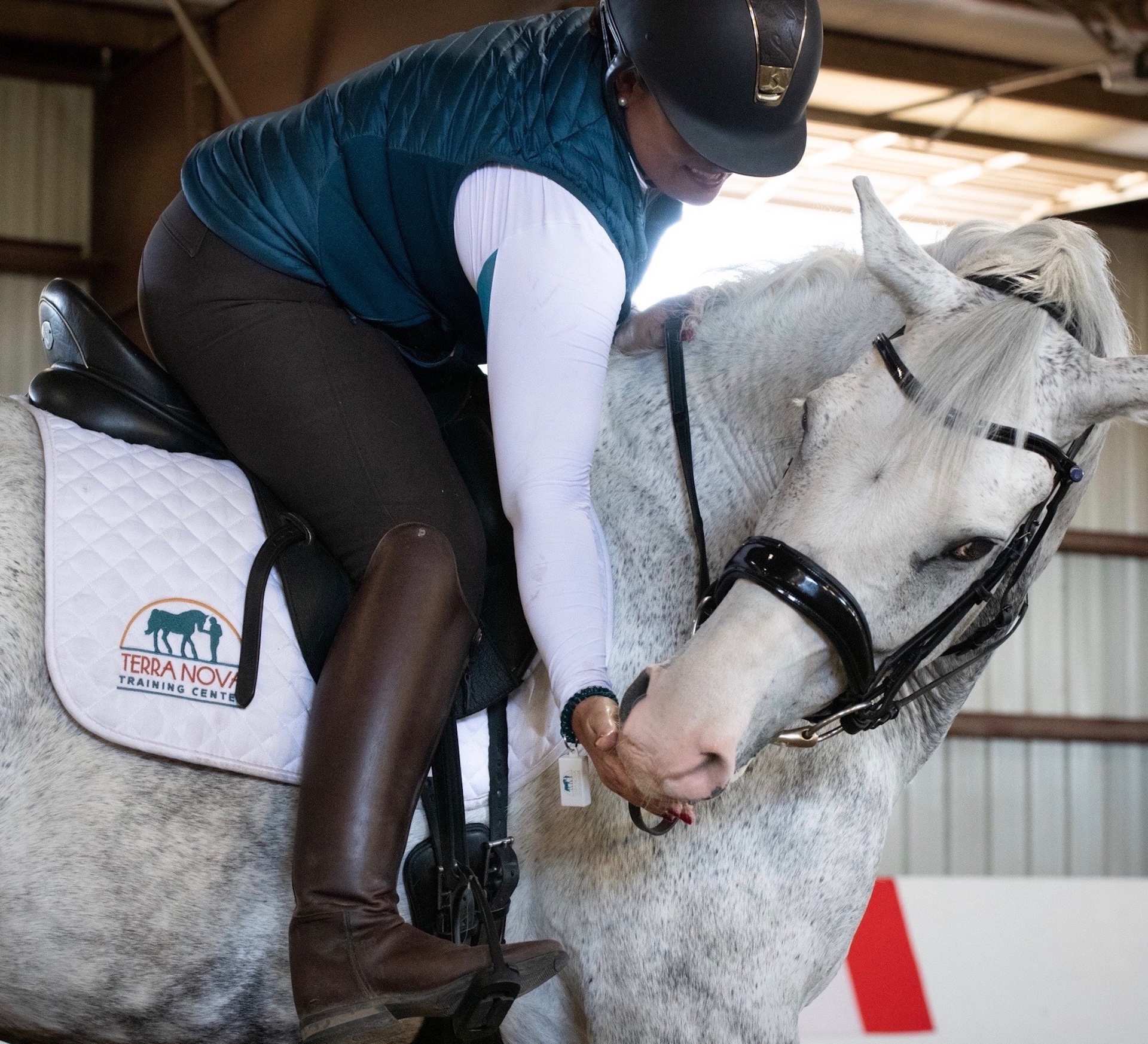
A horse repeatedly lowers their head into the bridle and takes the bit because they have learned this behavior is successful at getting a carrot. The desire for the carrot overcomes the dislike of the bit.
Just like us, your horse is learning, balancing, and acting on motivations all the time. To think like a positive reinforcement trainer, you want to observe and understand your horse’s motivation. Once you understand what’s motivating them, you can successfully modify that motivation when you need or want to. You can let go of judging whether they’re “good” or “bad.”
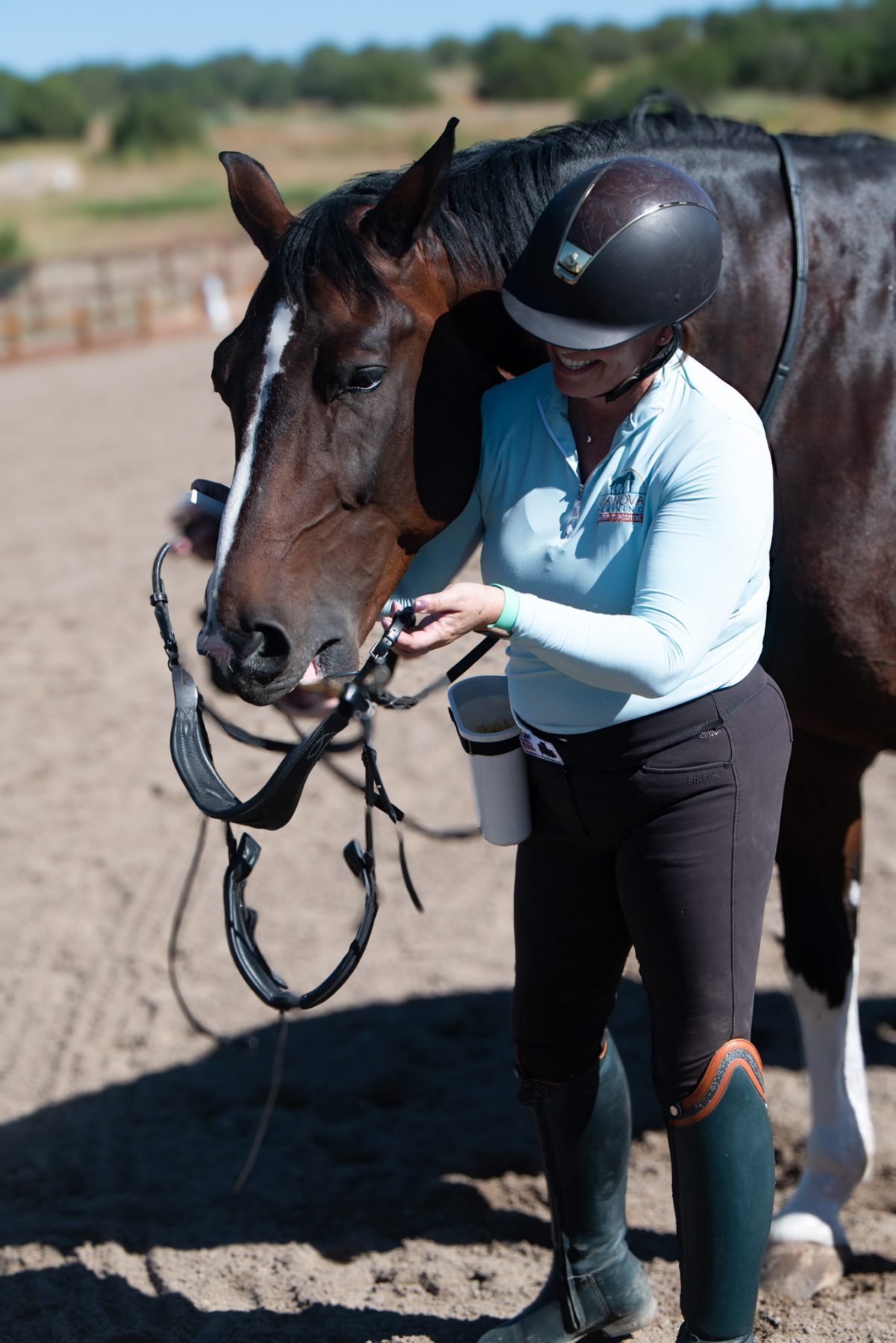
The horse’s motto: If it works for me, repeat it!
Motivation & Reinforcement
- The horse’s motto: If it works for me, repeat it! The result of a behavior is what creates the motivation to do that behavior again.
- Reinforcers come in two categories: I’ll seek it, or I’ll avoid it. When you’re observing your horse’s behaviors, notice which are created by desire and which by avoidance. Or is it a combination of the two, and desire overcomes dislike, or vice versa, for a particular behavior?
- Sometimes your horse may even believe their behavior has caused a result when it actually hasn’t.
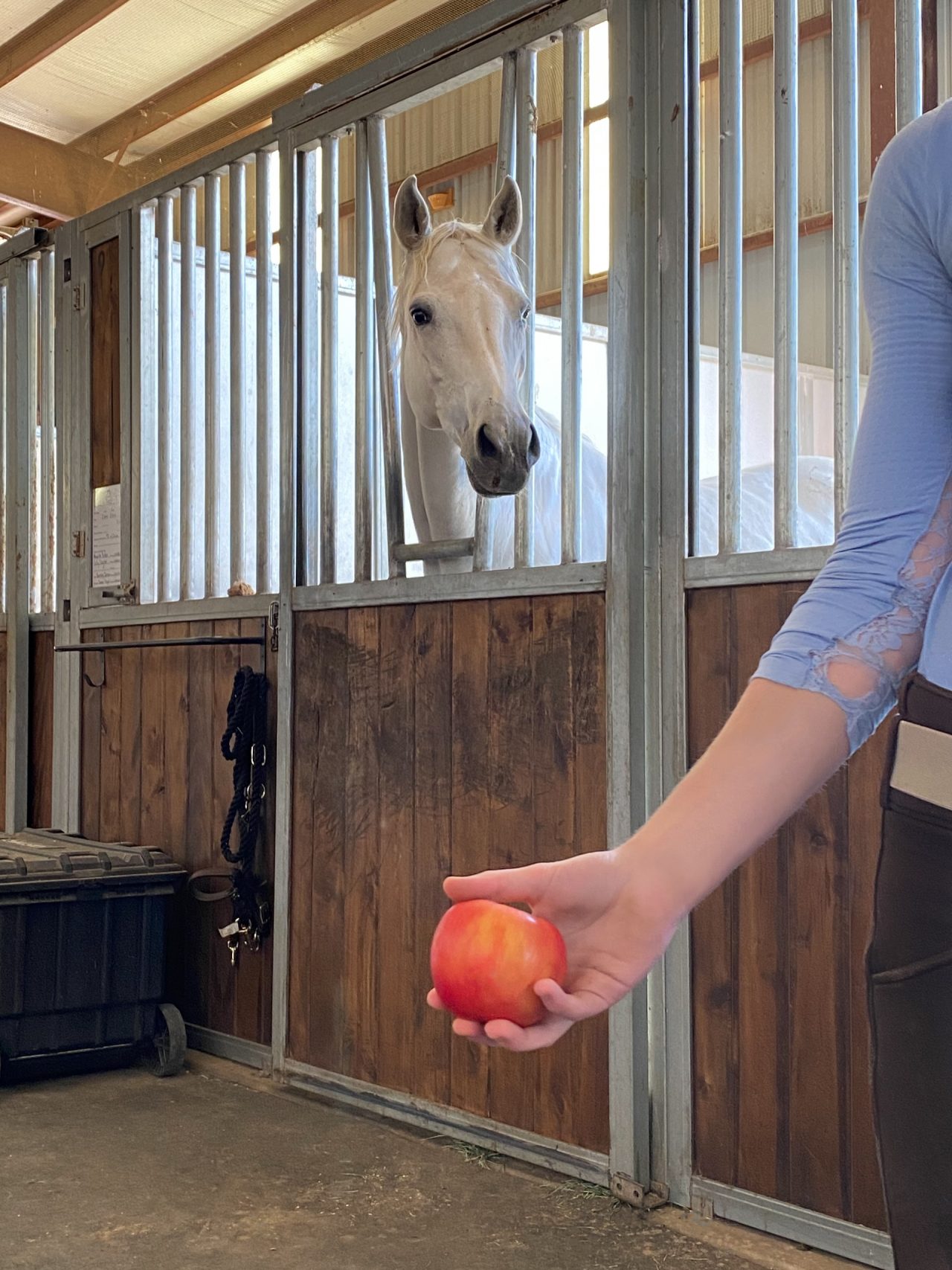
For example, when they see the food cart in the aisle and bang the stall door in impatience, what always happens? Lo and behold, banging worked—at least from the horse’s point of view! The food came! Whether or not the banging really caused the food to arrive, this reinforcing result will strengthen the motivation to bang. (Read about how about how changing the reinforcement can Discourage Stall Banging)
Who Cares about their underlying motivation?
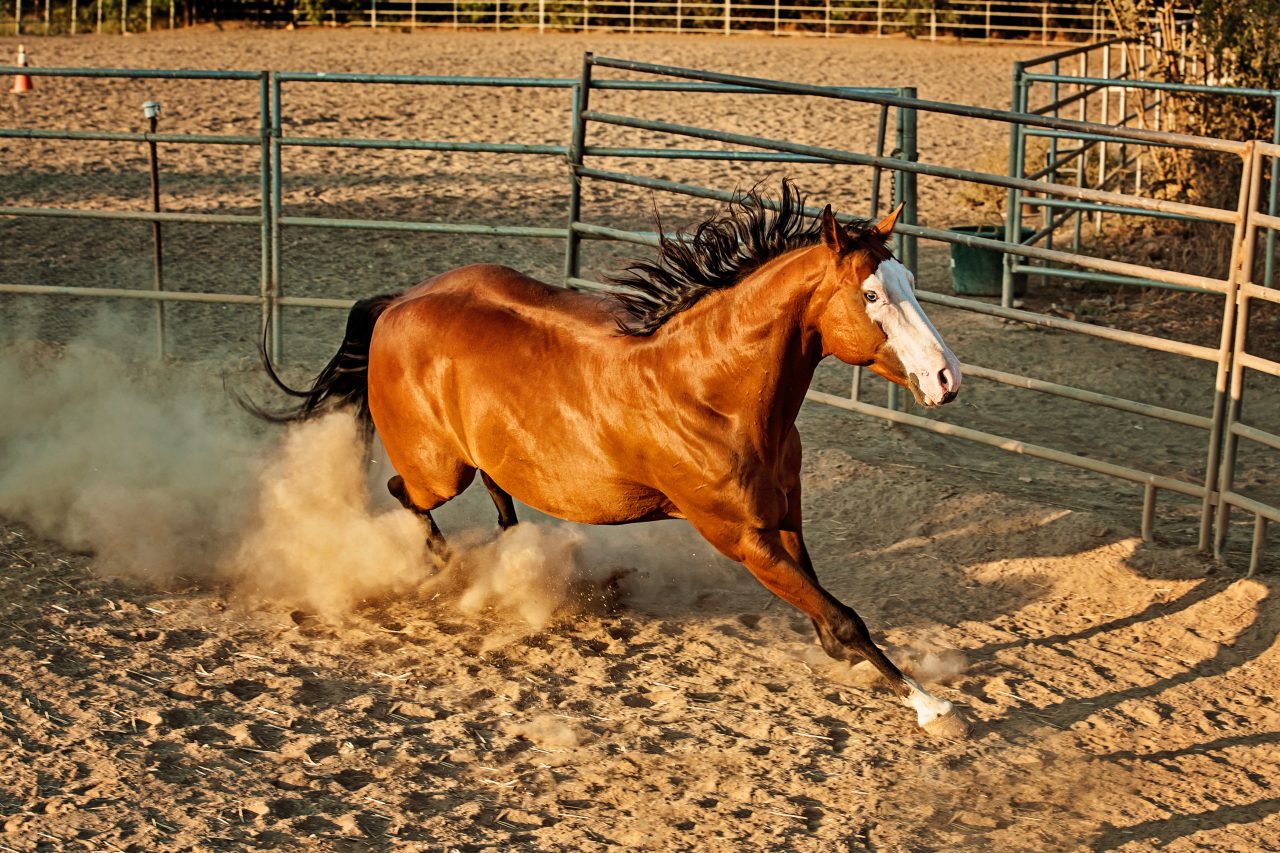
I just want my horse to load into the trailer!
Here’s the beauty of understanding our horse’s motivation. By understanding it, we can take control of it in an effective way.
Picture a balance scale. On one side of the scale is one behavior, let’s say, avoiding the trailer. On the other side of the scale is another behavior, readily loading on the trailer. The behavior that has the strongest reinforcement history has the scale weighed down on that side, making it more likely to occur.
If your horse chooses to avoid the trailer, then you know that refusing to go near the trailer has worked for them to avoid something they don’t like, the same way lifting their head too high has succeeded in avoiding the bit. However, we want to motivate our horse to choose the ‘readily loading’ side… so what should we do?
To tilt the scale, influence their motivation and change the behavior they choose, we need to pile weight on the other side—toward something that they desire. How to do that?
Next Step: Look for your YES!
Our PtP Principle #2, Look for Your YES!, reviews the best way to go about changing your horse’s motivation.
The Priority to Positive Guide
Via Nova’s Priority to Positive approach brings Positive Reinforcement to the traditional horse world in a practical and effective way.